9+ curated guides • Updated August 2025
It’s a tempting, irresistible question: which celebrity do I look like? In seconds, an app can scan your face and link you to Hollywood royalty. But before you upload your selfie for that moment of fun, have you ever considered the price of admission? Your face is fast becoming the most valuable currency you own, and you might be giving it away for free. This isn't a review of which app finds the most accurate doppelgänger. This is an investigation into the burgeoning, unregulated economy powered by your most personal biometric identifier. We'll pull back the curtain on the journey your selfie takes after you hit 'upload,' exposing the data brokers, AI training models, and security vulnerabilities that turn your fleeting entertainment into a permanent, profitable asset for others.
When a celebrity buys a multi-million dollar mansion in Puerto Rico, it makes international headlines. But what happens to the corner colmado, the local artist, or the family renting down the street? We look past the glamour to uncover the real, on-the-ground economic boom and backlash of the island's growing status as a celebrity haven. This isn't just about famous faces in new places; it's a complex socio-economic phenomenon fueled by aggressive tax incentives like Act 60, which promises a near-tax-free paradise for those who can afford the price of admission. Our investigation delves into the dual realities this creates: one of glittering opportunity within gated communities, and another of rising costs and cultural displacement just outside their walls.
You saw it on TikTok: the rosette choker, the cherry red handbag, the chunky silver jewelry. But will you still love it next month? Before you invest in a fleeting micro-trend that could drain your wallet, consider the fashion insider's secret—using Sinsay's accessories as your personal trend laboratory. This isn't about promoting disposability; it's about strategic intelligence. In an era where trend cycles spin at the speed of a viral video, committing to a high-ticket item is a high-stakes gamble. The Sinsay accessory aisle, with its sub-$10 price points, becomes a sandbox for style. It's a place to beta-test a look, to see if that 'eclectic grandpa' brooch or 'balletcore' ribbon actually integrates with your existing wardrobe before you splurge on the designer version. This is the art of hacking the system—using the tools of fast fashion against itself to make more considered, sustainable, and ultimately more stylish long-term decisions.
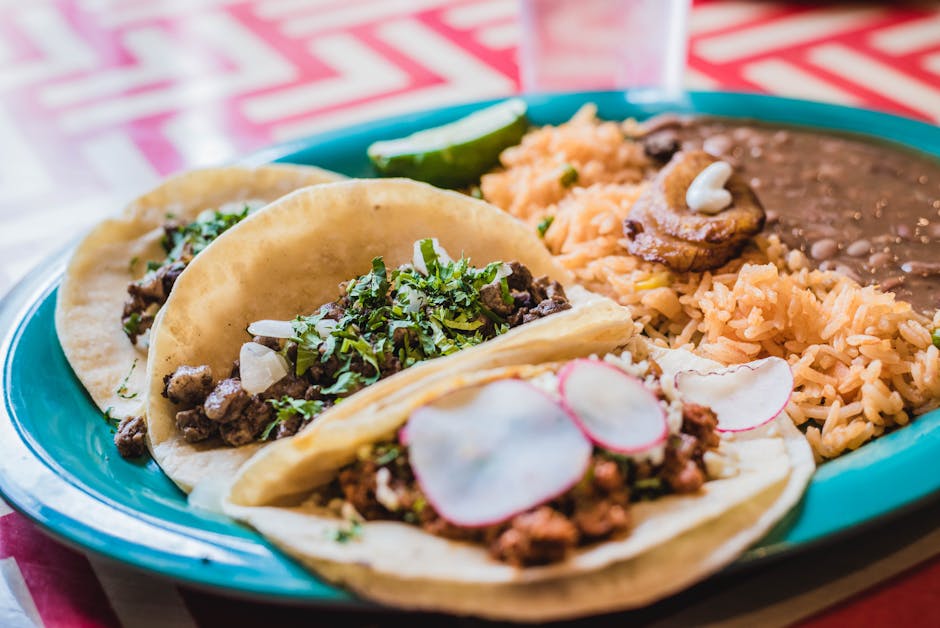
It’s a tragedy we’ve all accepted: the first glorious bite of a taco, immediately followed by a catastrophic structural failure that sends your carefully chosen fillings tumbling onto the plate. We blame overstuffing or flimsy tortillas, but the real culprit is a failure of engineering. It's time to stop thinking like a cook and start thinking like an architect to build the unbreakable taco. This is not about flavor combinations or secret ingredients; this is about applied physics. We will deconstruct the taco not as a meal, but as a delivery system for flavor, analyzing its load-bearing capacity, material stress points, and the catastrophic effects of moisture ingress. By understanding these principles, you can construct a taco that survives from the first bite to the last, every single time.
When you picture a cruise ship, you might think of grand, gilded halls and sprawling pool decks. But what if a ship was conceived less like a vessel and more like a work of contemporary art by the world's leading designers? Celebrity's Edge Class isn't just for sailing; it's a meticulously crafted architectural statement designed to change how you experience the ocean itself. For years, naval architecture has been an exercise in introversion—building floating resorts that distract you from the sea. The Edge Class, conceived by a supergroup of designers including Tom Wright, Kelly Hoppen, Patricia Urquiola, and the firm Jouin Manku, shatters this paradigm. They've inverted the very concept of a cruise ship, transforming it from an insulated container into a porous, outward-facing platform. This is not merely a collection of impressive rooms; it is a holistic design philosophy where every line, texture, and volume serves a single purpose: to dissolve the boundary between you and the horizon.
Forget the endless 'did they or didn't they?' debates. The more interesting question is what happened next. This is the 'Architect Effect': the phenomenon where a single celebrity procedure becomes a cultural blueprint, creating a tidal wave of requests for the exact same look. We'll explore the iconic faces that didn't just get work done—they redesigned the public's definition of beauty. From the pillowy lips that launched a billion-dollar cosmetics empire to the razor-sharp jawline that redefined power, these five public figures became unintentional architects, drafting the schematics for the faces of a generation. Their influence goes beyond mere inspiration; it created new vocabularies in consultation rooms and new line items on clinic service menus.
You're scrolling DoorDash and discover 'The Wing Wagon' with incredible photos. Before you order, consider this: there's a good chance that restaurant doesn't have a front door, a dining room, or even its own sign. This is the new reality of delivery apps—a hidden world of 'ghost kitchens' that are changing how we eat, and it's time you learned how to navigate it. This isn't a glitch in the app; it's a feature of the new food economy. These digital-only storefronts, also known as virtual brands, operate out of existing restaurant kitchens or centralized commissaries, built from the ground up for delivery. They exist as data, a menu, and a brand name, but not as a place you can visit. In this guide, we're pulling back the curtain. I'll show you exactly how to become a ghost kitchen detective, weigh the real-world pros and cons, and understand the massive technological and economic shifts powering this culinary phantom.
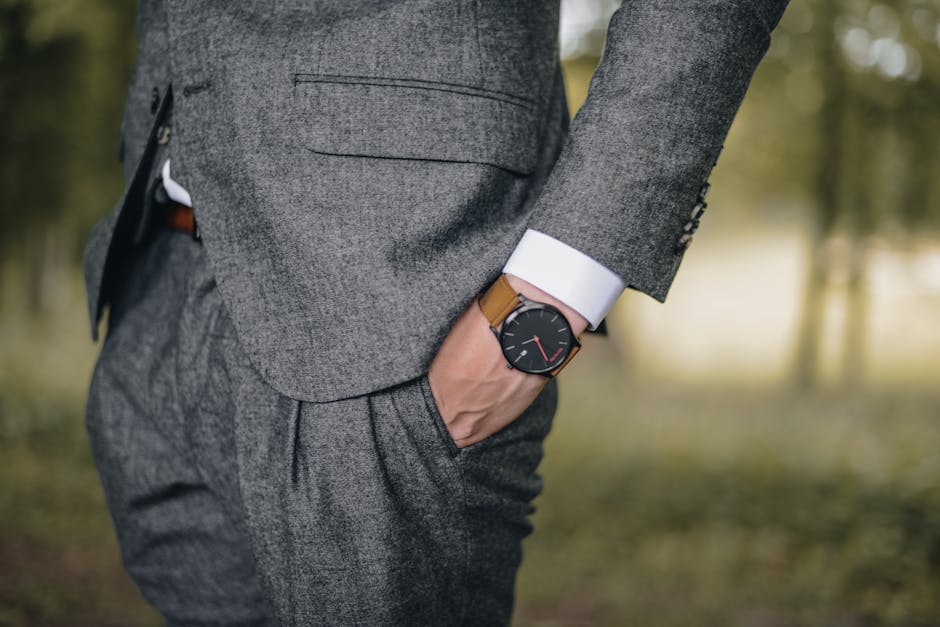
Forget what you know about the thigh belt as merely an edgy or provocative accessory. High-fashion insiders are now wielding it as an architectural tool, a secret weapon for sculpting silhouettes and adding deliberate structure where there was none. This isn't just about adding a detail; it's about redrawing the lines of your entire look. We're witnessing a paradigm shift where accessories are no longer just adornments but active participants in the construction of an outfit. The thigh belt is the vanguard of this movement, a simple strap that holds the power to transform the mundane into the masterfully composed.
That intricate jhumka you adore or the grand temple necklace you save for special occasions holds more than just precious stones. It carries the echo of ancient architecture—the blueprint of a palace arch, the filigree of a royal window, the curve of a majestic dome. Join us as we decode the hidden architectural language in your favourite ethnic pieces, revealing a story of design that spans centuries from grand buildings to intricate beadwork. This is not merely ornamentation; it is the practice of carrying a piece of a monument with you, a wearable testament to a civilization's grandest artistic achievements. We will move beyond the surface-level beauty and venture into the very structure of these pieces, revealing how a goldsmith's bench becomes a miniature architect's studio.